- The Rundown Tech
- Posts
- Snap takes another swing at smart glasses
Snap takes another swing at smart glasses
PLUS: Tesla may build that cheap SUV after all


Jennifer Mossalgue, Rowan Cheung, Shubham Sharma & Zach Mink
April 10, 2026

Good morning, tech enthusiasts. Snap is taking another shot at smart glasses — this time with Qualcomm chips, on-device AI, and real pressure to deliver.
The reboot follows the abrupt exit of its top Specs exec amid a reported clash with CEO Evan Spiegel, as the company races to beat Meta to the face-worn AI interface. But Meta’s Ray-Ban glasses are already gaining traction; Snap’s Spectacles are still trying to ship.
In today’s tech rundown:
Snap’s Spectacles get a Qualcomm engine
Tesla may build a low-priced SUV after all
Meta bans the ads being used to sue it
One therapy wipes out 3 autoimmune diseases
Quick hits on other tech news
LATEST DEVELOPMENTS
SNAP

Image source: Snap
The Rundown: Snap is finally inching toward launching its long-delayed AI-powered Spectacles, striking a multi-year Qualcomm chip deal to bring its next-gen AR glasses to consumers later this year after a recent executive shake-up at its Specs unit.
The details:
The new Spectacles will run on Qualcomm’s Snapdragon XR chips, enabling on-device AI, advanced graphics, and multiuser digital experiences.
Snap spun out Specs as a separate subsidiary earlier this year to focus on the glasses business after years of fits and starts with the product line.
In February, Snap abruptly parted ways with Scott Myers, its senior VP of Specs, following a reported clash with CEO Evan Spiegel.
Why it matters: Snap’s decade-old Specs unit is under pressure to finally turn Spectacles into a real consumer platform just as Meta, Apple, and others race to dominate the smart glasses market. If this launch fizzles like past attempts, Snap risks ceding the next hardware frontier to rivals with deeper pockets and tighter ecosystems.
TESLA
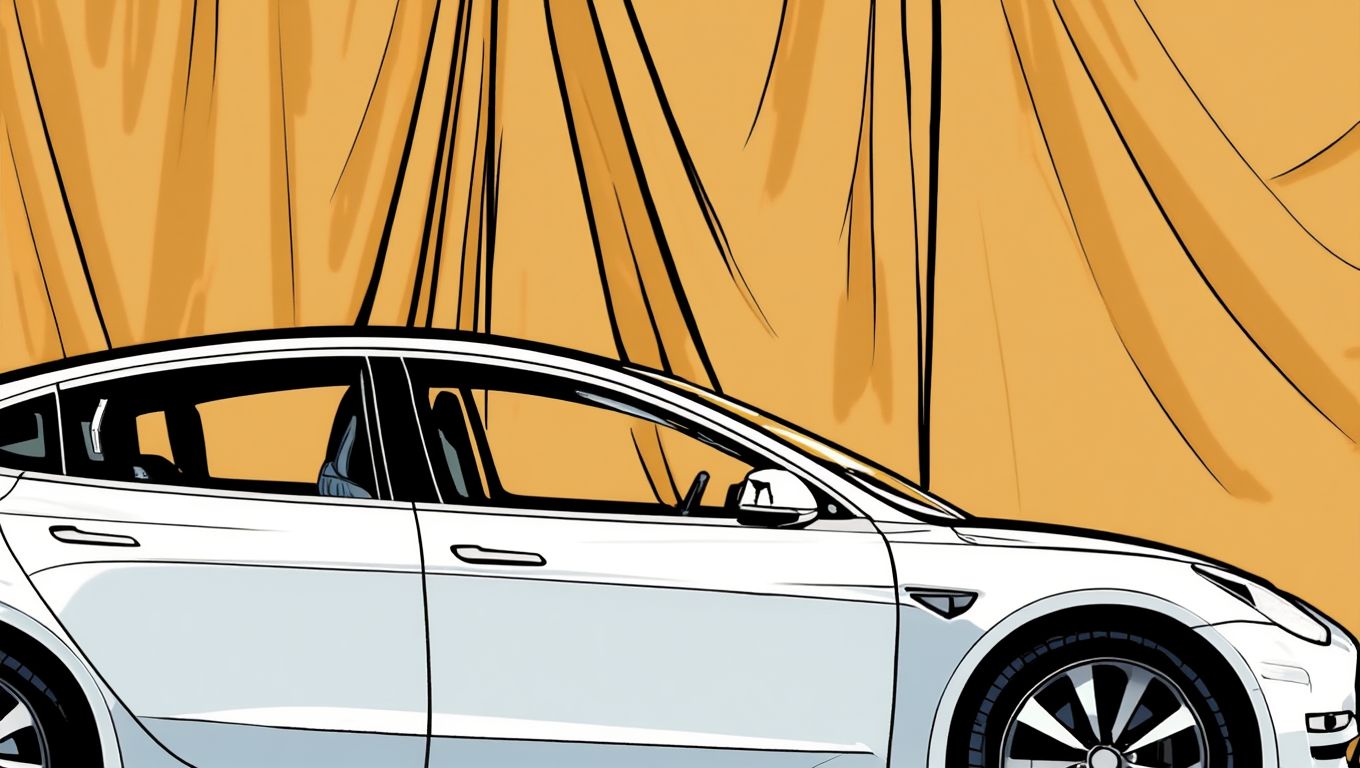
Image source: Reve / The Rundown
The Rundown: Tesla is developing a compact electric SUV designed to undercut its own Model 3 on price, Reuters reports — two years after CEO Elon Musk scrapped the $25K "Model 2” and called building cars for human drivers “pointless.”
The details:
The vehicle would measure about 14 ft., making it significantly shorter than the Model Y’s 15.7 ft., and would be an entirely new design.
To hit a lower price point, Tesla plans to use a smaller battery pack and a single electric motor, trading range against the Model Y’s 306-to-327-mile rating.
Sources said production would be based at Tesla’s Shanghai factory, with one source adding that Tesla aims to expand manufacturing to the U.S. and Europe.
Pricing would land substantially below the entry-level Model 3, which starts at $34K in China and $37K in the U.S.
Why it matters: Tesla’s sales have taken a hit as Chinese EVs flood the sub-$30K segment, a price point the company has never actually reached. A compact SUV would be its most direct answer yet to that pressure, though with no formal approval and only early supplier conversations underway, the timeline remains unclear.
META

Image source: Getty / Reve
The Rundown: Meta just removed a wave of Facebook and Instagram ads placed by plaintiffs’ law firms recruiting clients for social media addiction lawsuits, as litigation against the company continues to mount.
The details:
Meta has pulled campaigns from major national firms targeting teens and parents to join social media addiction lawsuits.
Meta said it wouldn't “allow trial lawyers to profit from our platforms while simultaneously claiming they are harmful.”
An LA jury recently awarded $6M against Meta and Google for a woman’s depression; a New Mexico jury fined Meta $375M over child safety failures.
More than 3,300 addiction-related lawsuits are pending in California state courts, with another 2,400 federal cases centralized there.
Why it matters: The same ad-targeting engine that helped Meta capture attention is now being used to recruit people to sue them. With billions in potential liability on the line and thousands of cases pending, the move shows how fiercely Meta intends to fight a legal battle that could reshape platform accountability for teen mental health.
BIOTECH

Image source: Ideogram / The Rundown (rendering of a CART-T cell)
The Rundown: For the first time, a single round of experimental CAR-T-cell therapy put all three of a patient’s severe, treatment-resistant autoimmune diseases into lasting remission — a result doctors say they've never seen before.
The details:
The woman was managing three debilitating autoimmune conditions until a single infusion of T cells effectively rebooted her immune system.
Doctors hacked a blood-cancer treatment, reprogramming her T cells to hunt down CD19-tagged B cells, the antibody factories gone rogue in her system.
Within weeks, her blood counts normalized as a fresh population of mostly naïve B cells repopulated her system.
Fourteen months on, she remains off all medications for the three conditions, with no reported side effects from the therapy itself.
Why it matters: CAR-T-cell therapy has already transformed blood cancer treatment — but repurposing it for autoimmune disease is a newer, bolder bet. A single case isn’t a cure, and larger trials are needed. Still, sustained triple remission without ongoing medication is the kind of outcome researchers rarely dare to predict.
QUICK HITS
SpaceX recorded a loss of nearly $5B in 2025 despite generating more than $18.5B in revenue, according to a report by The Information.
Disney’s new CEO, Josh D’Amaro, plans to cut up to 1K jobs, with the company’s recently consolidated marketing department expected to bear the brunt of the layoffs.
Almost half of the U.S. data centers planned to open in 2026 are likely to be delayed or canceled due to power grid limits, equipment shortages, and local opposition.
Apple’s first foldable iPhone remains on track to be unveiled in September 2026 alongside the iPhone 18 Pro lineup, despite earlier rumors of delay, Bloomberg reports.
Spotify is adding new global settings so you can turn off all videos, including music videos, podcast videos, and Canvas loops, and keep Spotify audio-only if you want.
Instagram is rolling out a long‑requested feature that lets users edit their comments shortly after posting, so they no longer need to delete and rewrite them.
Volkswagen will stop building its ID.4 electric SUV at its Tennessee plant and shift the factory to producing the higher-volume, gasoline-powered Atlas SUV instead.
NASA traced the helium leak in Orion’s propulsion system to faulty valves and is now planning a hardware redesign to prevent similar issues on future lunar missions.
The EU has hit Google, Apple, and Meta with more than $7B in antitrust and digital regulation fines since 2024, triggering a clash with the U.S. government.
Startup Radify Metals developed plasma reactors that can refine rare-earth metals, potentially undercutting China’s dominance over the rare-earth supply chain.
Greece plans to ban social media access for children under 15 starting January 1, 2027, as part of new legislation aimed at protecting young people’s mental health.
Finland’s long‑planned Onkalo facility is on the verge of becoming the world’s first operational deep geological repository for spent nuclear fuel.
COMMUNITY
Read our last AI newsletter: Perplexity's agent pivot is on the money
Read our last Tech newsletter: This startup wants to hack the night sky
Read our last Robotics newsletter: Clone’s $20k synthetic human
Today’s AI tool guide: Automate your business with custom Notion Agents
Watch our last live workshop: The State of AI Presentation Tools in 2026
That's it for today's tech rundown!We'd love to hear your feedback on today's newsletter so we can continue to improve The Rundown experience for you. |
See you soon,
Rowan, Joey, Zach, Shubham, and Jennifer — The Rundown’s editorial team
Reply