- The Rundown Tech
- Posts
- Neuralink cofounder's wild next act
Neuralink cofounder's wild next act
PLUS: Google brings Gemini to smart glasses


Jennifer Mossalgue & Rowan Cheung
December 09, 2025

Good morning, tech enthusiasts. The Neuralink cofounder and engineer who helped Elon Musk wire brains to machines is now building hardware for the human eye.
Max Hodak’s next act: a grain-sized retinal implant that restores sight when paired with smart glasses. And his future plans push neurotech into even wilder territory.
In today’s tech rundown:
A rice-sized implant to restore vision
Google wants another crack at your face
Mark Manson now has an AI app
Uber’s airport kiosks ditch the app
Quick hits on other tech news
LATEST DEVELOPMENTS
BIOTECH INNOVATIONS
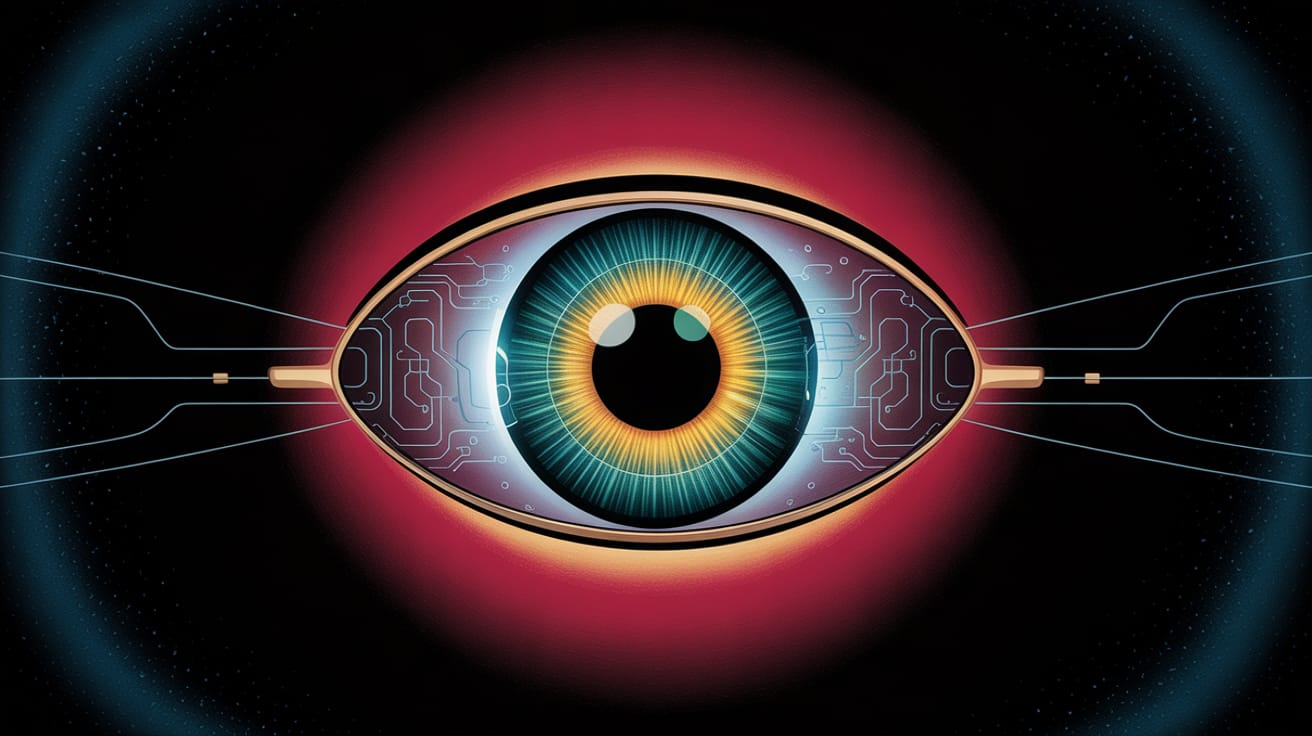
Image source: Ideogram / The Rundown
The Rundown: Max Hodak, the engineer who helped Elon Musk turn Neuralink from sci-fi pitch into an FDA-approved brain implant, now has his own startup — building a rice-sized retinal implant that can restore vision.
The details:
Hodak’s neurotech company, Science Corp, built after his split from Neuralink, aims to turn cutting-edge brain-computer interfaces into real medical products.
Its first product is a retinal chip that pairs with camera glasses and a battery pack to restore “form vision” in people with advanced macular degeneration.
Science Corp finished clinical trials, submitted data in Europe, and is targeting a launch next summer at around $200K per procedure, TechCrunch reports.
The company is developing optogenetic gene therapies and “waffle grid” brain implants seeded with lab-grown neurons that can grow into the cortex.
Why it matters: Backed by $260M in funding, Hodak’s startup is now competing directly with Neuralink, Microsoft’s BCI research program, Apple’s partnership with Synchron, and Sam Altman’s reported Neuralink rival — raising the stakes over who will control the platforms that literally interface with the human nervous system.
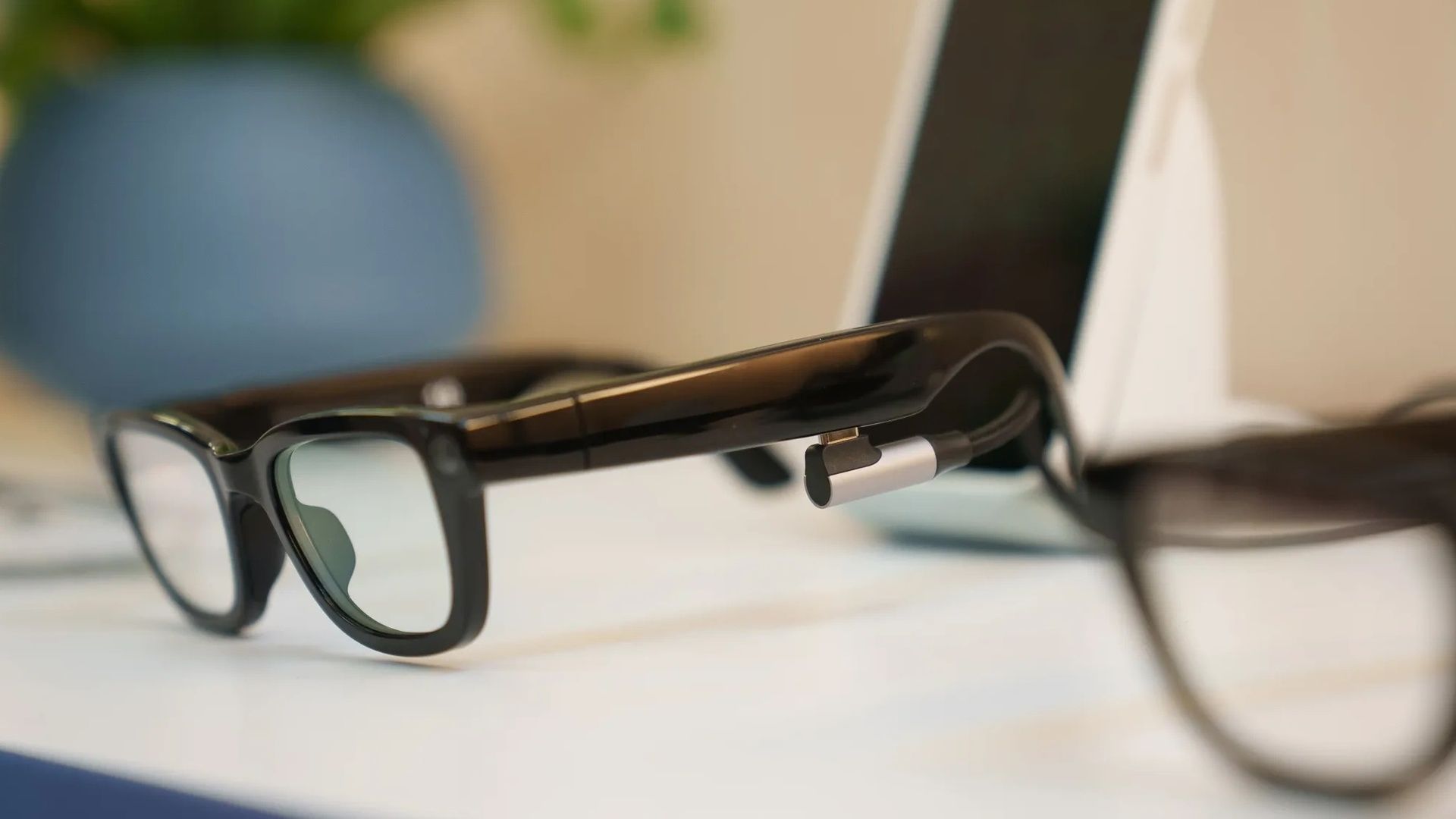
Image source: Google
The Rundown: Google has announced that it is returning to smart glasses with AI-powered eyewear set for 2026 — its most serious challenge yet to Meta’s surging dominance in consumer AI hardware.
The details:
The lineup will include two models: an audio-only version with the Gemini AI assistant and another featuring an in-lens display for visual information.
Google is teaming up with Samsung, Gentle Monster, and Warby Parker — backed by a $150M partnership — to co-develop the hardware design.
Meta’s partnership with EssilorLuxottica has helped turn its AI-infused smart glasses into an unexpected hit with consumers.
Google’s new glasses reflect its broader strategy to extend Gemini’s presence beyond phones and computers into everyday, ambient computing tools.
Why it matters: Google Glass flopped a decade ago — too expensive, too early, and hobbled by shaky supply chains. Now co-founder Sergey Brin says the company has learned its lesson, and this Gemini-powered bet is Google’s chance to prove it can compete with Meta’s surprise hit in the smart eyewear market.
MARK MANSON
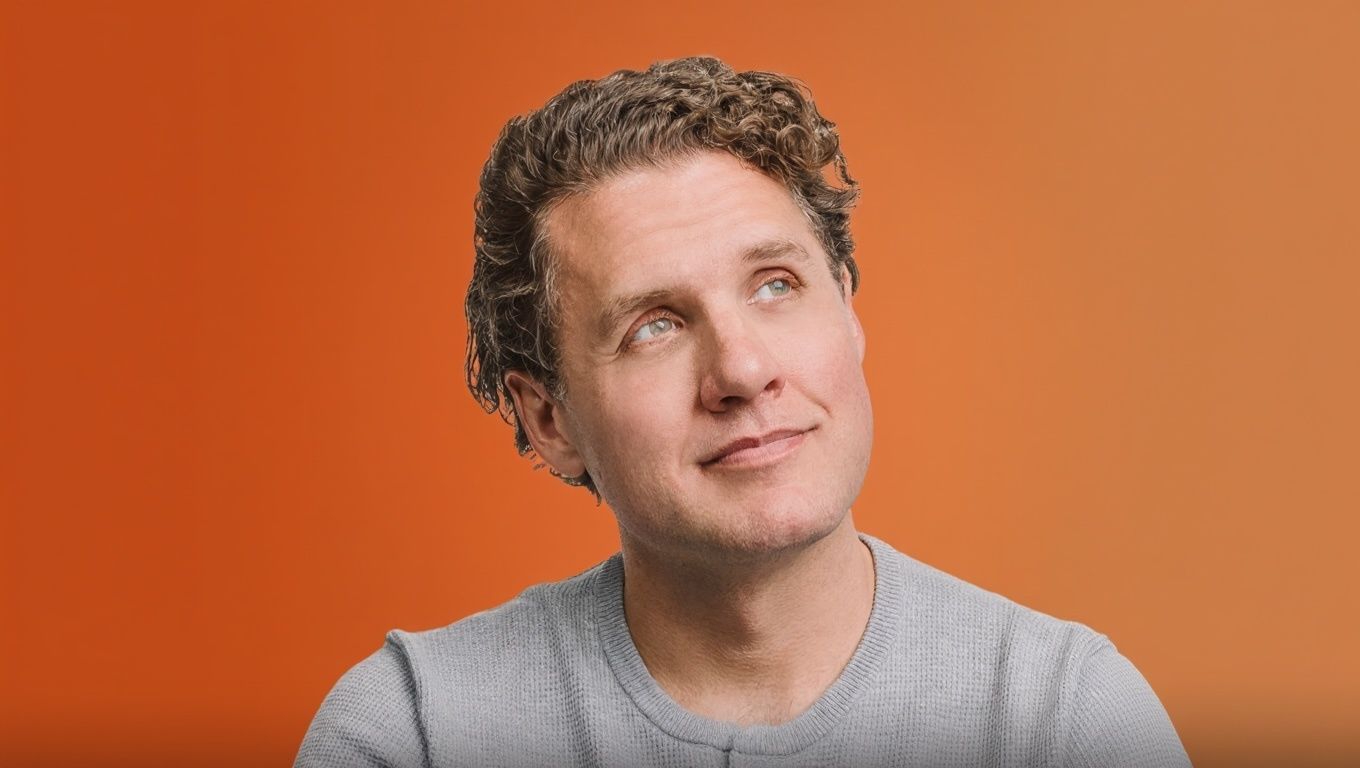
Image source: YouTube
The Rundown: Bestselling author and anti-guru Mark Manson just teamed up with AI entrepreneur Raj Singh to launch Purpose, an AI coaching app that promises to actually push you toward change, not just serve up another inspirational quote to scroll past.
The details:
Manson, author of The Subtle Art of Not Giving a F*ck, has launched Purpose with a mission to “reinvent” personal growth coaching.
Purpose bills itself as AI that remembers your progress and tailors advice, unlike chatbots that can lack long-term memory and default to generic answers.
Singh last sold his AI hotel concierge service, GoMoment (which served 100M+ guests), to Revinate, a direct booking platform for the hospitality industry.
The new a is available at $19.99/month, positioning itself as the antidote to generic AI tools that reinforce rather than challenge users’ existing beliefs.
Why it matters: AI “mentors” like Purpose are emerging in a crowded landscape of digital companions, from emotional-support bots such as Replika and Wysa to platforms like BetterUp, all vying to own the intimate space where people vent and self-optimize. Manson is hoping his personal brand will help push this one to the front.
UBER
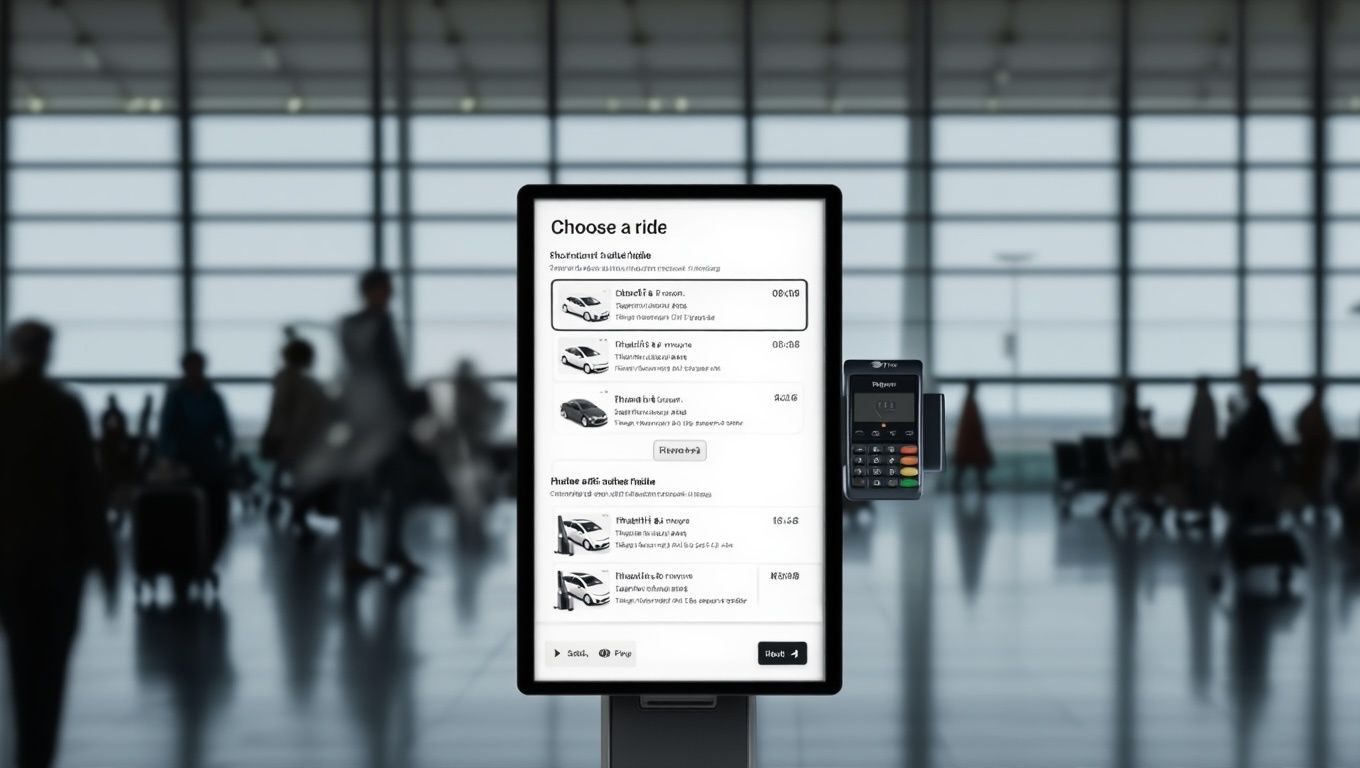
Image source: Uber
The Rundown: Uber is rolling out ride-booking kiosks in airports so travelers can order rides without the app or even a smartphone — targeting less tech-savvy passengers and international arrivals who land without data service.
The details:
The first kiosk launches at LaGuardia’s Terminal C, with expansion to hotels, ports, and international airports coming in the next few months.
Users enter trip details on a touchscreen, get fare estimates, and confirm a driver — no app required.
The move captures demand from travelers who currently default to taxis or shuttles because app-based booking is inconvenient or inaccessible.
This isn’t Uber’s first experiment with airport kiosks: it piloted phone-free ride-booking kiosks at Toronto Pearson International Airport back in 2019.
Why it matters: Uber’s move puts pressure on rivals like Lyft and local taxi operators, which still lean heavily on curbside queues and phone apps rather than kiosks inside terminals. Waymo’s robotaxi service at Phoenix’s Sky Harbor airport shows a parallel playbook: lock in airport partnerships early so your brand becomes the default option.
QUICK HITS
Paramount’s Skydance has gone hostile with a $108.4B all-cash bid for all of Warner Bros. Discovery, topping Netflix’s $82.7B studios-and-streaming deal.
Elon Musk denied reports that SpaceX is seeking an $800B valuation in a new secondary share sale.
Apple chip chief Johny Srouji told staff in a Monday memo that he has no plans to leave the company, after Bloomberg reported he was considering stepping down.
Reddit is tightening global teen safety settings as it braces for Australia’s looming ban on social media for under-16s, kicking off December 10.
France is asking a Paris court to block Shein’s website for 3 months, accusing the fast-fashion giant of violating EU rules on sustainability, transparency, and labor practices.
SoftBank CEO Masayoshi Son is exploring a deal with Trump to pour some $500B of Japanese funds into Trump-branded industrial parks in the U.S., reports the WSJ.
The EU opened a formal antitrust probe into whether Google’s AI Overviews and its treatment of YouTube content in search illegally favor the company’s own services.
The New York Times and the Chicago Tribune filed separate lawsuits accusing Perplexity of scraping and reproducing their journalism without permission.
Meta reportedly delayed its Phoenix mixed reality glasses, shifting their launch from the second half of 2026 to the first half of 2027.
Andrew Yang, who has long warned of an automation crisis, now says advances in AI could eliminate as many as 40M U.S. jobs over the next decade.
Meta announced that it has acquired Limitless, the startup (formerly known as Rewind) behind an AI-powered conversation-recording pendant.
The European Commission fined X $140M for deceiving users with its blue checkmark system; Musk has since pulled an EU institutional ad campaign from X.
COMMUNITY
Read our last AI newsletter: OpenAI reveals who’s winning with AI at work
Read our last Tech newsletter: Netflix buys Warner Bros. in $82B deal
Read our last Robotics newsletter: Trump’s next big move: robots
Today’s AI tool guide: Use ChatGPT to improve your thinking patterns
That's it for today's tech rundown!We'd love to hear your feedback on today's newsletter so we can continue to improve The Rundown experience for you. |
See you soon,
Rowan, Jennifer, and Joey—The Rundown’s editorial team
Reply