- The Rundown Tech
- Posts
- Amazon's second axe is falling
Amazon's second axe is falling
PLUS: Lab-grown skin treats fire survivors


Jennifer Mossalgue, Rowan Cheung, Shubham Sharma & Zach Mink
January 23, 2026

Good morning, tech enthusiasts. Amazon waited until the holidays were over. Now the axe is falling again.
The e-commerce giant is reportedly preparing to cut thousands more corporate jobs as early as next week, part of CEO Andy Jassy’s mission to slash roughly 30K roles. But don’t blame AI, he says — this is more about trimming corporate bloat.
In today’s tech rundown:
Amazon’s second layoff wave hits next week
Lab‑grown skin steps up after Swiss ski‑resort fire
Musk taps top banks for SpaceX’s monster IPO
Blue Origin to launch satellite megaconstellation
Quick hits on other tech news
LATEST DEVELOPMENTS
AMAZON
Image source: Ideogram / The Rundown
The Rundown: Amazon is reportedly preparing its second wave of sweeping layoffs as early as next week, cutting thousands more corporate jobs as CEO Andy Jassy pushes to eliminate roughly 30K white-collar roles.
The details:
The company in October cut some 14K corporate jobs, about half of the 30K target, meaning the upcoming round is expected to be similar in scale.
Jobs in the company’s Amazon Web Services (AWS), retail, Prime Video, and human resources units are slated to be affected
The layoffs would represent the largest workforce reduction in Amazon’s 30-year history, surpassing the 27K corporate roles cut in 2022.
Affected staff will receive at least 90 days of pay and benefits during the notice period to find new roles internally or elsewhere.
Why it matters: While Amazon floated AI as a factor in the restructuring, Jassy has since framed the overhaul as a cultural reset aimed at undoing years of organizational sprawl. The 30K-job reduction would amount to nearly 10% of Amazon’s corporate workforce, though only a small fraction of its total 1.58M global employees.
BIOTECH INNOVATIONS
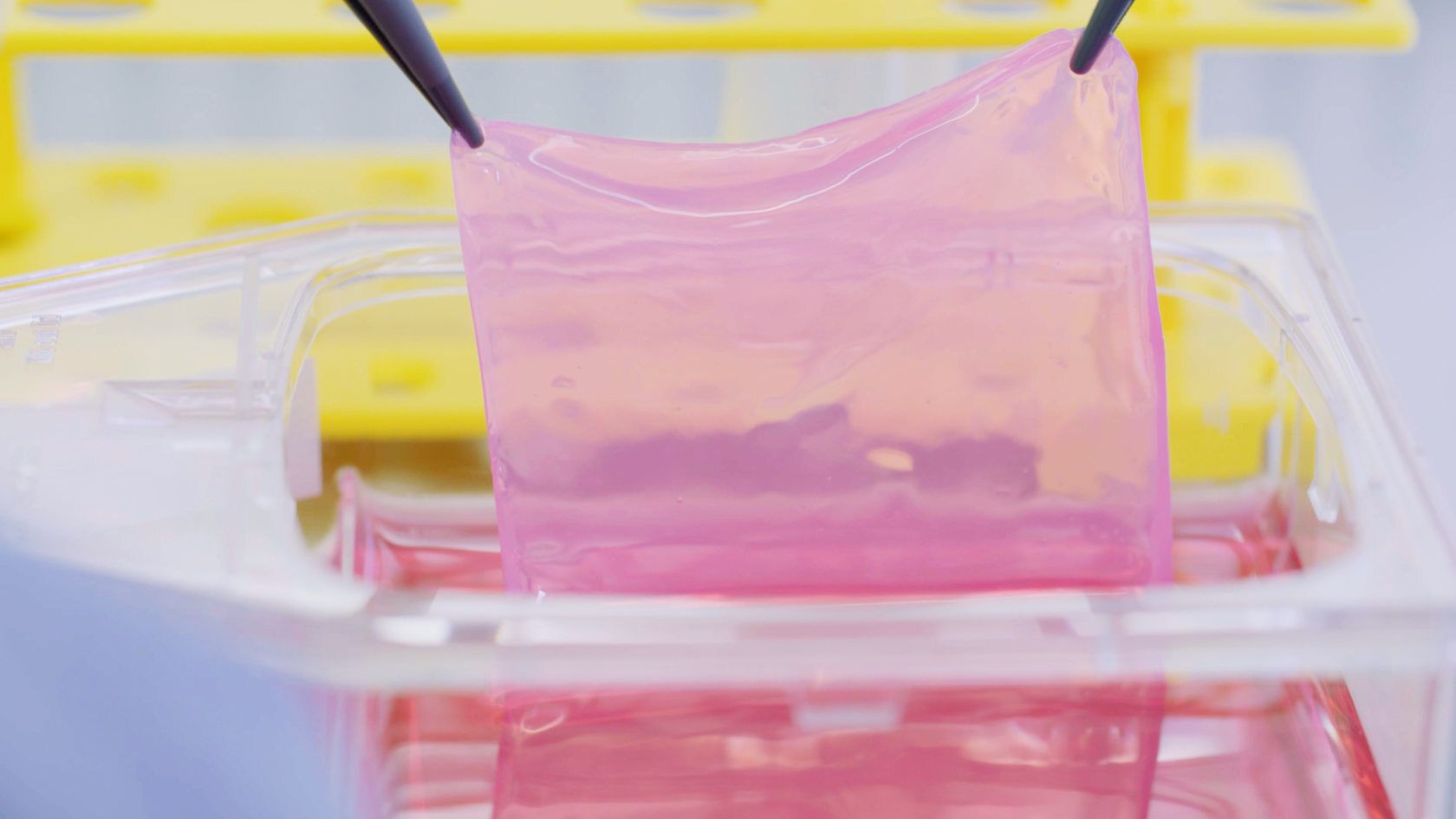
Image source: University of Zurich
The Rundown: Surgeons in Switzerland are treating survivors of the deadly New Year's fire at Crans-Montana ski resort with denovoSkin — a personalized, lab-grown skin graft now in late-stage clinical trials.
The details:
The fire at Le Constellation bar killed 40 and injured 119, leaving 80 to 100 survivors with severe burns covering up to 60% of their bodies.
Developed by the University of Zurich, denovoSkin is a bilayer graft engineered to grow with patients and minimize scarring.
Because the graft uses only a patient’s own cells, it largely avoids rejection and can be grown from a small biopsy into multiple large grafts in about four weeks.
Phase 3 trials at European burn centers show improved wound closure and scar quality compared to standard care.
Why it matters: The researchers say a postage‑stamp‑sized biopsy can be grown into multiple grafts about 8 inches across in four weeks. If late-stage results hold, denovoSkin could become one of the first commercially approved bioengineered skin substitutes — offering burn units a powerful new tool for covering catastrophic injuries.
SPACEX
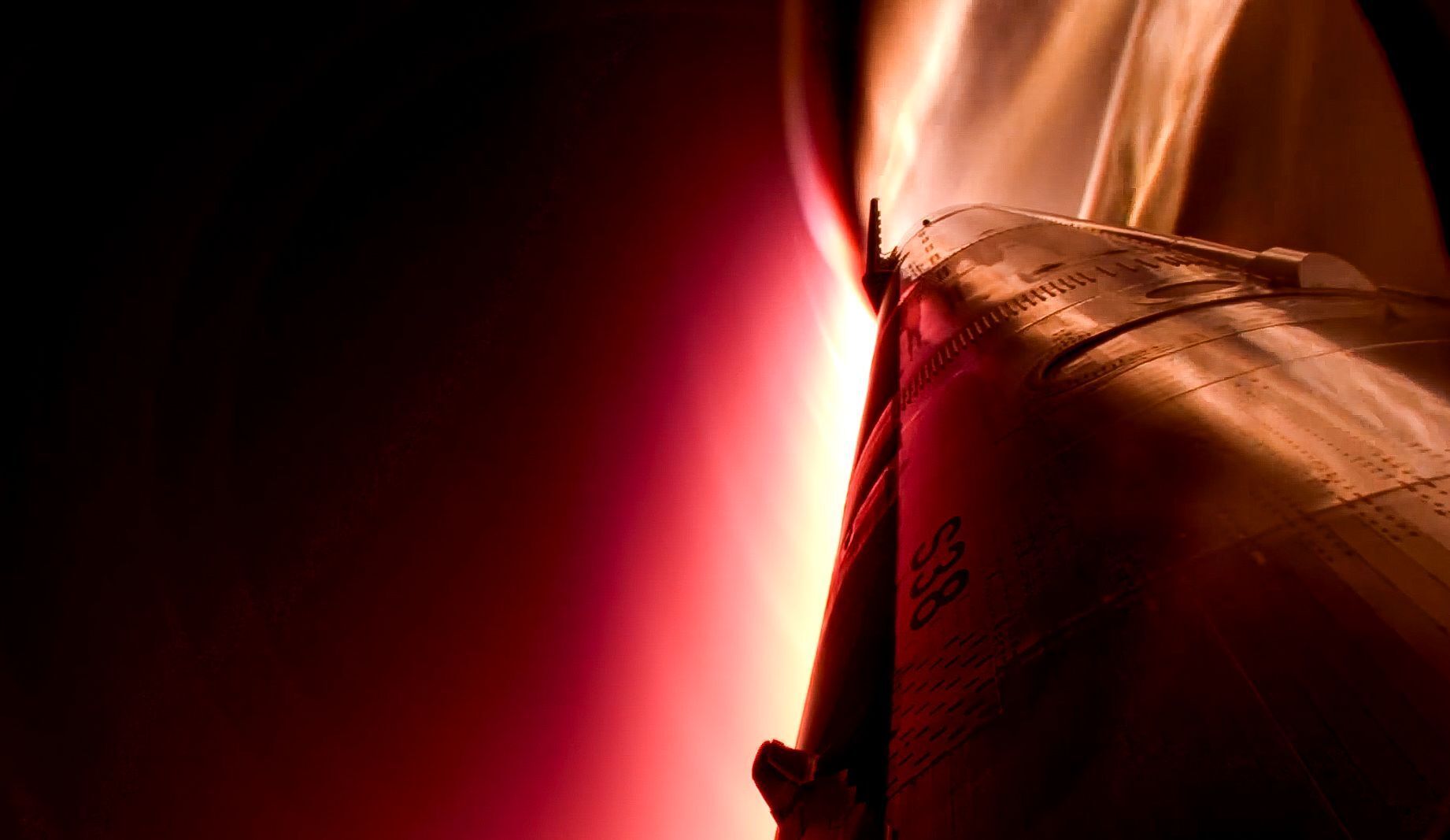
Image source: SpaceX
The Rundown: Elon Musk is lining up Wall Street’s biggest banks for what could become history’s largest IPO. The twist? Mars is now on the back burner, with orbital AI data centers now the main event.
The details:
SpaceX is in talks with Bank of America, Goldman Sachs, JPMorgan, and Morgan Stanley to underwrite a colossal stock‑market debut.
Bloomberg reports that SpaceX is working on a secondary share sale that values the company at about $800B, putting it ahead of OpenAI.
SpaceX also aims to raise tens of billions of dollars and is targeting a potential valuation of around $1.5T in the IPO.
Musk sees a SpaceX IPO as rocket fuel for xAI, using cross‑investment and Starlink’s future orbital data centers to outgun OpenAI and Anthropic.
Why it matters: A SpaceX IPO would not just mint another mega‑cap tech stock; it would funnel unprecedented public capital into a vertically integrated space, connectivity, and AI infrastructure empire. That kind of firepower could tilt the race in Musk’s favor against rivals trying to own the next era of compute.
BLUE ORIGIN
Image source: Blue Origin
The Rundown: Jeff Bezos’s Blue Origin unveiled TeraWave, a 5,408 satellite megaconstellation designed not for consumers but for data centers, governments, and enterprises demanding fiber-grade bandwidth where fiber can’t reach.
The details:
The network combines thousands of low-Earth-orbit satellites with medium-Earth-orbit ones to move data at up to 6 Tbps of global throughput.
Blue Origin pitches TeraWave as a way to add route diversity where laying new fiber is slow or impossible, keeping services alive during disasters or outages.
Unlike Starlink’s millions of residential users, TeraWave targets roughly 100K enterprise customers in remote, rural, and suburban areas.
Blue Origin plans to begin deploying the constellation in the fourth quarter of 2027, putting it in competition with SpaceX’s Starlink and Amazon’s own Leo.
Why it matters: The satellite wars have shifted from rural broadband to the hyperscale backbone powering the AI boom. But Bezos dropping another 5,400 spacecraft into already-crowded orbits raises the question regulators keep asking: how many megaconstellations can near-Earth space actually handle?
QUICK HITS
Apple expanded hardware chief John Ternus’s role to include software design, cementing him as the leading internal candidate to eventually succeed Tim Cook.
AI pioneer Fei-Fei Li is in talks to raise hundreds of millions of dollars for her startup World Labs at a valuation of about $5B, up from $1B in 2024
Nvidia CEO Jensen Huang says the AI boom will trigger the largest infrastructure buildout in history, driving demand for skilled trades like plumbers and electricians.
Meta will start showing ads on its Threads app to all users worldwide, in a gradual rollout that analysts expect will turn the service into a meaningful new revenue stream.
Greg Yang, a co-founder of Elon Musk’s AI startup xAI, is stepping down from his operational role after being diagnosed with Lyme disease.
YouTube CEO Neal Mohan says cracking down on low-quality “AI slop” and deepfakes will be one of the platform’s top priorities in 2026.
Video platform Vimeo began layoffs following its $1.38B acquisition last year by Italian tech conglomerate Bending Spoons.
Indian state Andhra Pradesh is weighing an Australia-style law to bar children under 16 from using social media, its tech and education minister Nara Lokesh said at Davos.
Vast’s Haven-1, set to be the first commercial space station, entered final assembly in Long Beach ahead of a SpaceX Falcon 9 launch now pushed to early 2027.
Ubisoft shares plunged more than 30% after the Assassin’s Creed publisher announced a major restructuring that includes canceling six games and closing studios.
Lemonade is launching “Autonomous Car insurance” for Tesla Full Self-Driving users, using Tesla telemetry to offer per-mile rates it claims are about 50% lower.
Carnegie Mellon researchers are 3D‑printing a temporary hypoimmune liver to keep acute liver‑failure patients alive long enough for their own organ to recover.
COMMUNITY
Read our last AI newsletter: Inside the Thinking Machines meltdown
Read our last Tech newsletter: Biotech’s big 3 (and they’re wild)
Read our last Robotics newsletter: A crawling, detachable robot hand
Today’s AI tool guide: Learn any subject w/ custom NotebookLM podcasts
That's it for today's tech rundown!We'd love to hear your feedback on today's newsletter so we can continue to improve The Rundown experience for you. |
See you soon,
Rowan, Joey, Zach, Shubham, and Jennifer — The Rundown’s editorial team
Reply